Carpe the Diem.
Share your travels, passions, and experiences. Connect with people from here, there, and everywhere.
Log where you've been
Log countries you've visited on your personal map. Marvel at your past, and more importantly, envision your future.
Share your passions
Diving, climbing, running, yoga, or whatever else you're into. And connect with like minded people.
Build your life list
A running tally of all the adventures, accomplishments, and endeavors you've checked off.
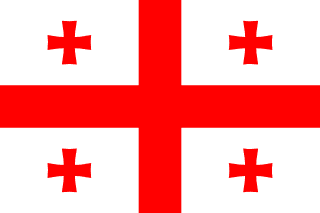
Georgia.
Bridging Eastern Europe and Asia on the eastern shores of the Black Sea, Georgia’s one of Europe’s remarkable hidden beauties: The landscapes here are mind boggling, all the more so given the country’s relatively small size. The Greater and Lesser Caucasus fortress the north and south, respectively, bridged by uplands and low mountains in central Georgia. The western plains and hills, bathed in moist Black Sea balminess and protected from frigid northern air by the Greater Caucasus, are subtropical, supporting lush forests and citrus orchards. Whether it’s beach scenes or mountain-climbing that draw you, you won’t easily run out of outdoor opportunities here. And that shape-shifting countryside has seen more than its fair share of history—which, like the culture itself, weaves back and forth between Europe and Asia. That Georgian heritage showcases thousands of years of tradition is quite something, given how frequently the land has been invaded and conquered by empires—from the Greeks, Romans, and Mongols to the Ottomans and Russians. As the Georgian National Tourism Administration puts it: “Georgia has the dubious distinction of being one of the most invaded nations on Earth.” It was also one of the first of the world’s countries to declare Christianity as its official religion, and centuries-old churches—including the cave monasteries of Vardzia and the dramatically positioned Holy Trinity Church (Tsminda Sameba), cast in the shadow of 16,558-foot Mount Kazbek—are plentifully represented among Georgia’s many historical monuments. Within its rich cuisine, Georgia claims what is arguably the world’s most venerable wine-making tradition—one that appears to date back to the eighth millennium B.C.E. Just look at the left hand of Kartlis Deda, the “Mother of Georgia” statue smiling over the capital of Tbilisi: It holds a welcoming vessel of wine. (Just keep an eye on the opposite hand, brandishing a sword.) It’s not hard to track down one of the massive earthen jugs, qvevri, traditionally used to ferment and age wine; the practice of which boasts UNESCO’s “Intangible Cultural Heritage of Humanity” recognition. And it’s not just time-tested viticulture distinguishing Georgian traditions. Take in the polyphonic singing or half-aerial dancing the country’s well-known for, and you’ll come away with some indelible memories. From festive, wine-buoyed feasts and exquisite ballet in Tbilisi or Kutaisi to cliff-tucked monasteries, Black Sea sunshine, and snow-blanketed mountains, experiencing Georgia in all its facets is nothing short of remarkable.

Sailing.
There's no engine sound in the world's oldest form of travel — just wind, water, and the quiet miracle of going somewhere using nothing but cleverly arranged cloth. Sailing is equal parts physics, patience, and humility before forces much larger than you. It's the only hobby where the weather forecast is genuinely thrilling, where making way against the wind feels like a magic trick you performed yourself, and where the destination matters far less than the passage. Out there — disconnected and self-reliant, the boat heeled over and the rail kissing the water — the whole noisy world shrinks to the trim of a sail and the line of the horizon. Whether you're racing buoys, cruising coastlines, or dreaming of an ocean crossing, the wind is free and the water is waiting. Getting Started You don't need to own a boat — please don't start by buying a boat. Start with lessons. A sailing school (look for ASA or RYA certification) will get you comfortable with the fundamentals on a small dinghy or keelboat far faster than the internet ever will. Learn the language and the basics: the points of sail, how to tack and gybe, how to read the wind on the water, and the names of the roughly ten thousand ropes, none of which, you'll learn, are actually called "ropes." Then crew for other people. Sailors are always short-handed and happy to teach; turning up to race night as rail meat is the cheapest, fastest education in the sport. Respect the weather, always tell someone your float plan, and learn your safety drills cold — especially crew-overboard recovery. Types of Sailing Dinghy Sailing: Small, responsive, capsizable boats — the purest and wettest way to learn how wind and water really work. Keelboat Cruising: Bigger boats with a fixed keel and a cabin, built for comfortable coastal and overnight trips. Racing: From weeknight beer-can races to grand-prix regattas — tactics, teamwork, and trimming for every last tenth of a knot. Bluewater & Offshore: Long ocean passages and liveaboard cruising, with self-sufficiency measured in weeks at sea. Catamarans: Two hulls, more stability and space — the increasingly popular choice for cruising in comfort. Day Sailing: No agenda, no destination — just a few hours, a picnic, and the wind doing the work. Gear Lifejacket: The first thing you put on and the last thing you argue about. A modern inflatable is comfortable enough to forget you're wearing it. Foul-Weather Gear: A good jacket and salopettes keep you warm and dry, which keeps you safe and sane on a long wet day. Non-Marking Deck Shoes: Grip on a wet, heeled deck without scuffing the boat. Sailing Gloves: They save your hands from rope burn when the sheets are loaded up. A Knife & a Headlamp: The two things every sailor keeps within reach — for the line that must be cut now and the job that happens after dark. Sun & Sea Protection: Relentless sun and salt make a hat, high-SPF sunscreen, and polarized sunglasses daily essentials.

Plitvice Lakes.
Croatia's Plitvice Lakes link sixteen terraced lakes by a chain of waterfalls and travertine barriers, their water shifting from emerald to deep blue with the light. Wooden boardwalks carry you just above the surface through this protected national park, with electric boats and shuttles connecting the upper and lower lakes.
